Vitamin D in Tunisia: do you need it, and which one?
Sunshine does not guarantee good levels. A blood test first, then D3 or D3 + K2, reading the dose and the price per tablet.
Updated on 14 Nov 2026 · 4 min read
You might think that with so much sunshine, nobody in Tunisia lacks vitamin D. Yet several studies carried out in the country have found low levels in a large share of the population, especially among women. Here is why, how to find out where you stand, and how to choose a supplement without getting the dose wrong.
Why sunshine is not always enough
The body makes vitamin D when the skin gets UVB rays from the sun. Several things reduce that production:
- working or studying indoors during the hours when the sun is strongest;
- covering clothes and sunscreen, which is still worth using to protect your skin;
- winter, when UVB is weaker;
- darker skin and age, which reduce production;
- excess weight, which changes how vitamin D circulates in the body.
Food provides little: mainly oily fish, egg yolk and some fortified products.
A blood test first
You cannot guess your level. The only way to know it is a blood test measuring 25(OH)D, or 25-hydroxyvitamin D. Ask a doctor or pharmacist: they interpret the result and tell you whether supplementing is useful, at what dose and for how long.
This matters because vitamin D is stored in the body. Taking too much, for a long time, without follow-up can raise calcium in the blood. More is not better.
D3, K2, IU: how to read the label
- Vitamin D3 (cholecalciferol) is the most common form in supplements. It generally raises blood levels more effectively than D2.
- The dose is written in IU (international units) or µg: 1 µg = 40 IU. A 25 µg capsule therefore contains 1,000 IU.
- Vitamin K2, often as MK-7, is added to many “D3 + K2” products. It plays a part in how the body uses calcium, but the benefit of always pairing it with D3 has not been clearly shown.
- Warning: if you take a vitamin K antagonist blood thinner, vitamin K, including K2, can interfere with your treatment. Do not take a D3 + K2 product without your doctor's approval.
- Vitamin D dissolves in fat: take it with a meal.
For reference, the European Food Safety Authority (EFSA) sets 100 µg, or 4,000 IU per day, as the maximum safe intake for an adult, from all sources combined. That is a ceiling, not a target. Doses in maintenance supplements are often much lower, and it is up to your doctor to choose yours.
Comparing prices properly
For vitamin D, price by weight makes no sense: compare the price per dose. Divide the bottle price by the number of tablets, then check the dose per tablet and the frequency your doctor advised. A cheap, very high-dose bottle is not a bargain if that dose is not right for you.
Add delivery, which Suppla shows when the shop publishes its fees. And note that at the pharmacy, your doctor can also prescribe a suitable form, sometimes taken at longer intervals.
What vitamin D costs in Tunisia
Prices read on 13 November 2026, for offers in stock that day:
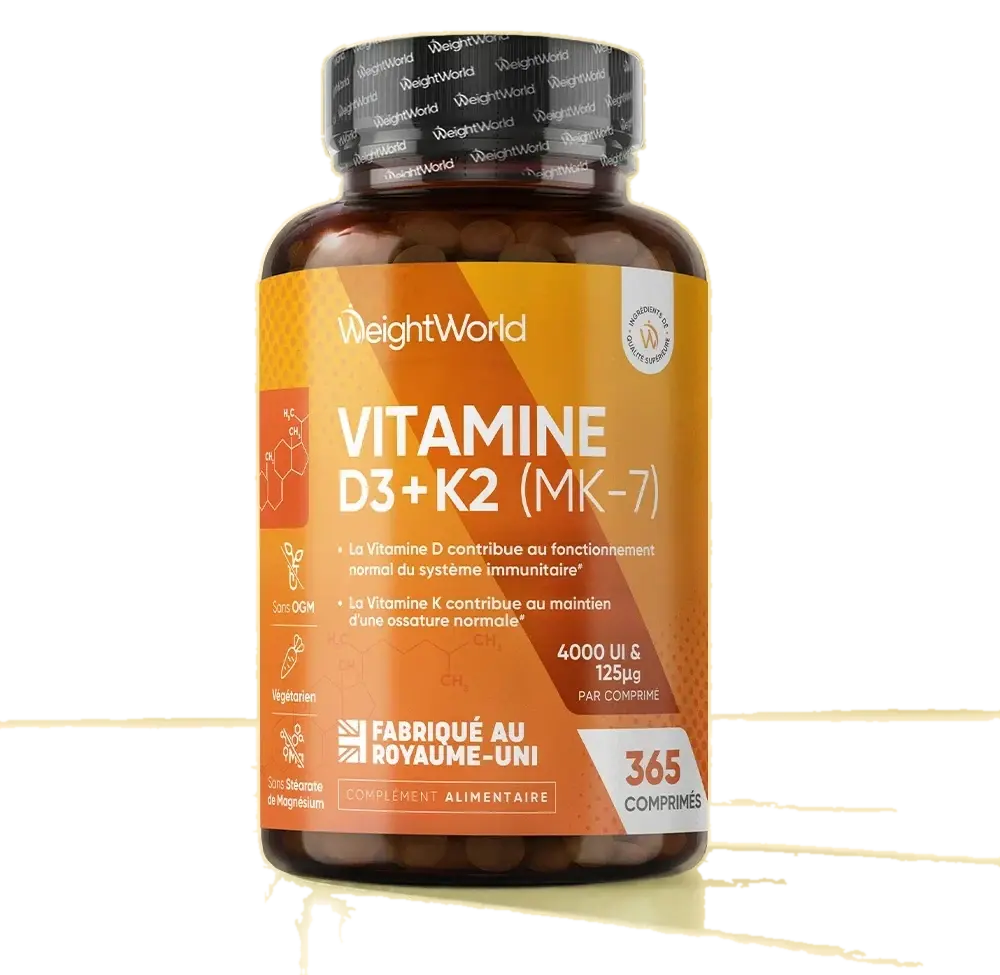
- WeightWorld Vitamin D3 + K2 (MK-7), 365 tablets: 159 DT at House Nutrition and at Protein.tn, about 0.44 DT per tablet.
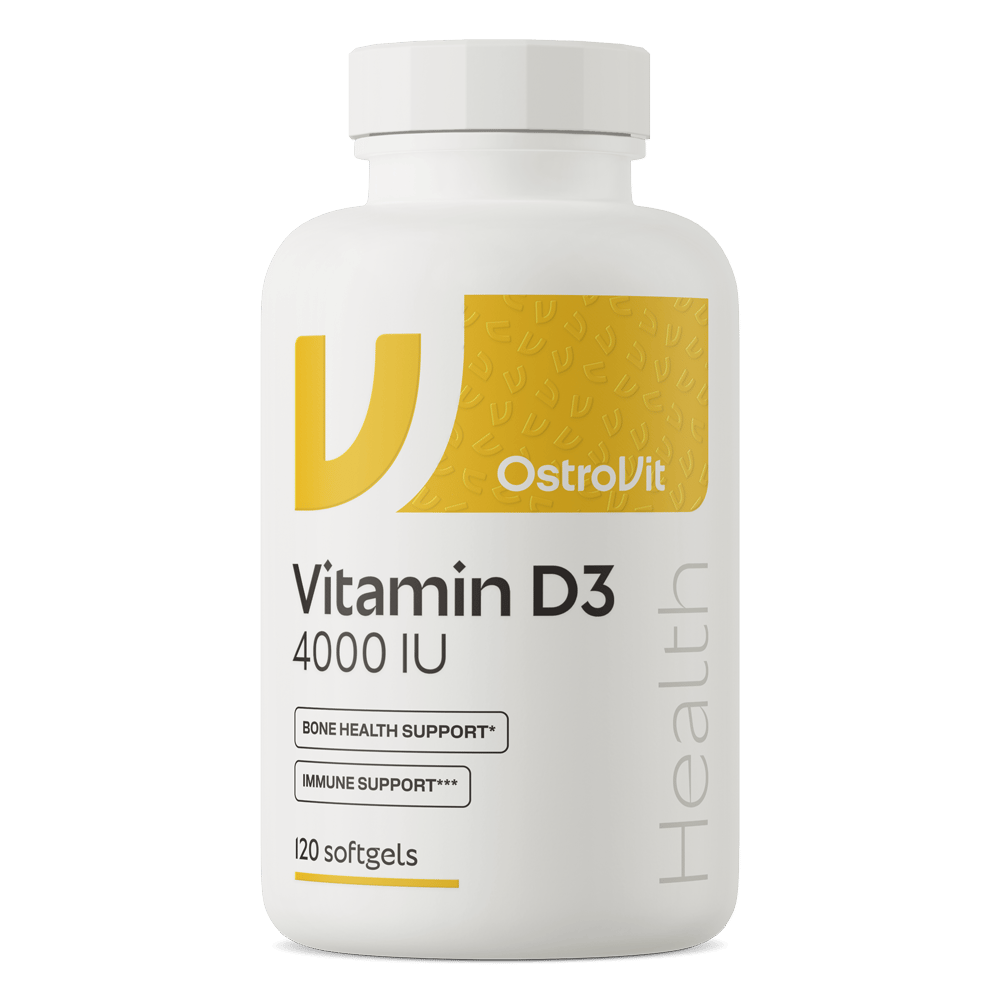
- OstroVit Vitamin D3 4000 IU, 120 capsules: 89 DT at Protein.tn, about 0.74 DT per capsule. A single capsule already reaches the European ceiling of 4,000 IU a day: this is a dose to take only on medical advice.
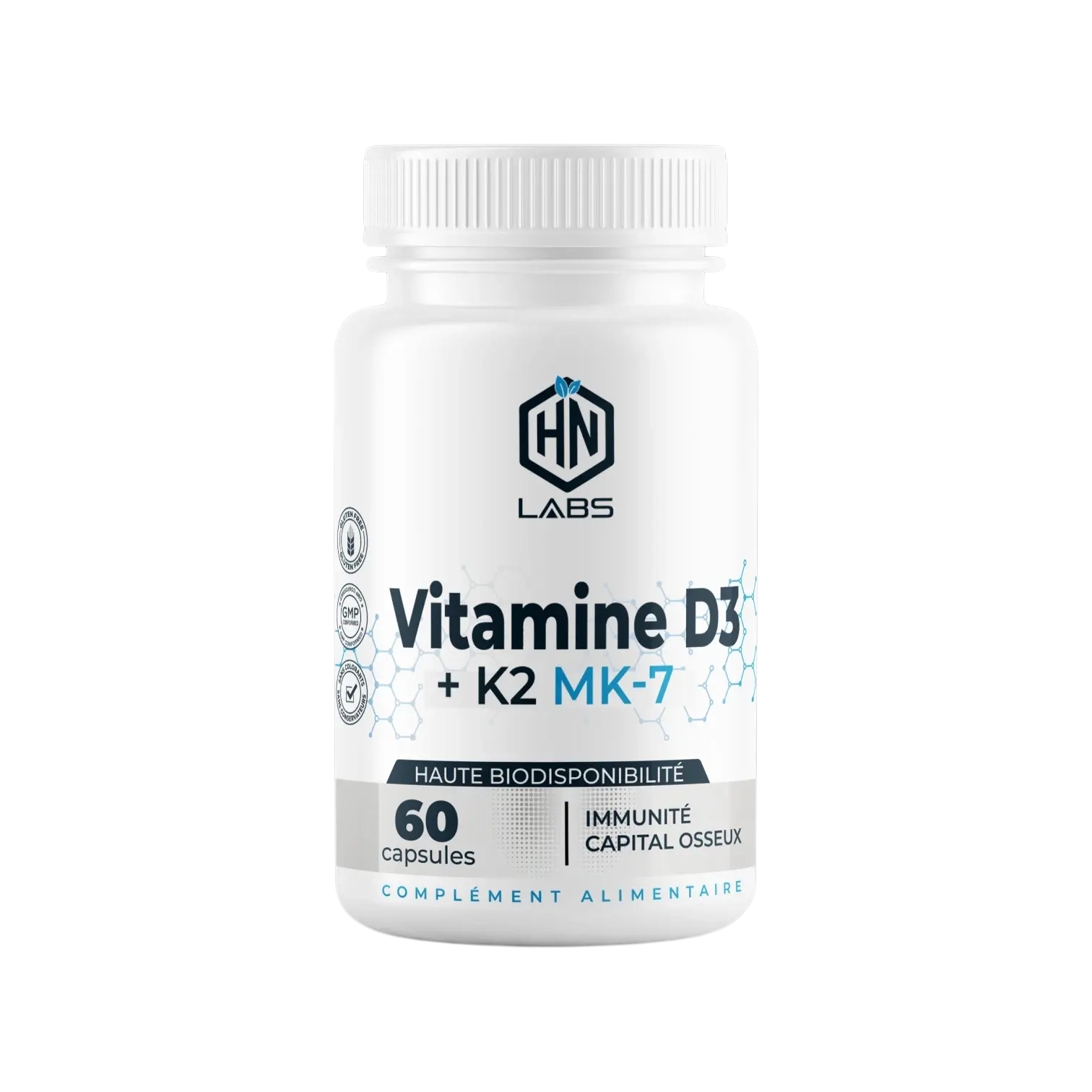
- HN Labs Vitamin D3 + K2, 60 capsules: 45 DT at House Nutrition, 0.75 DT per capsule.
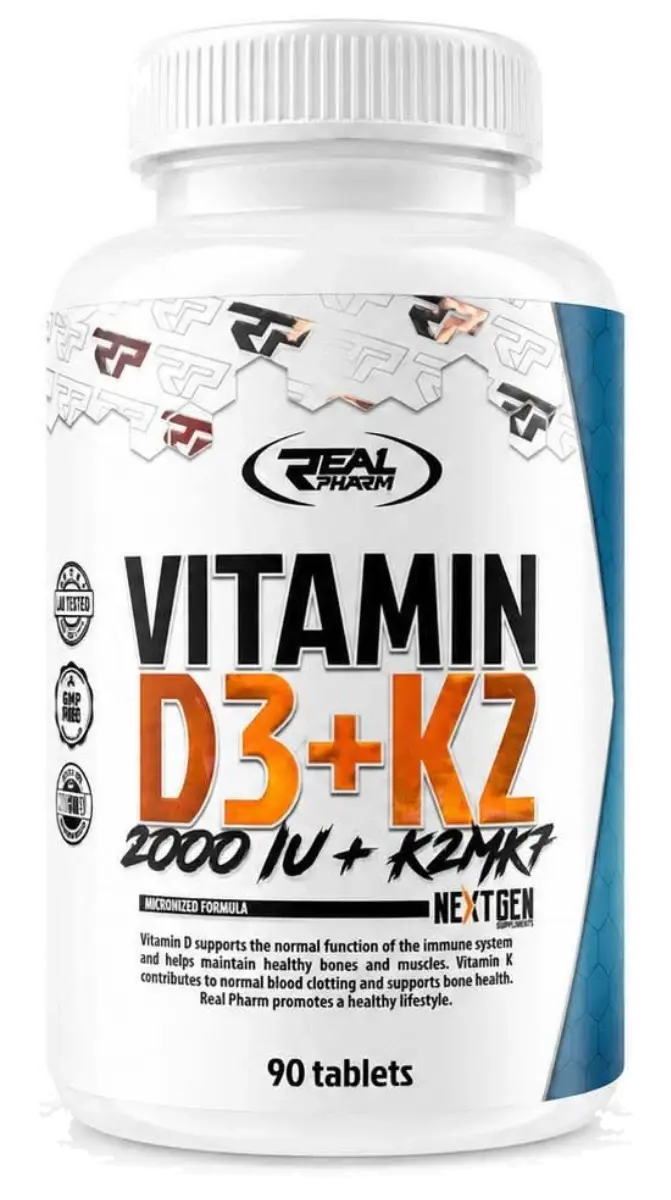
- Real Pharm Vitamin D3 + K2, 90 tablets: 99 DT at Protein.tn, 1.10 DT per tablet.
So the price per tablet ranges from under 0.50 DT to over 1 DT. But the dose per tablet differs from one product to the next, and three of these four contain K2: read the label before drawing conclusions.
Before you buy
- Get your vitamin D tested and ask a doctor or pharmacist before supplementing.
- Do not combine several products containing vitamin D, multivitamins included.
- Take it with a meal, at the advised dose.
- Keep the bottle out of children's reach.